How to Invest in Cape Town Businesses
Cape Town has become one of the most inviting places on the continent for investors who want stability, growth, and are hungry for opportunity. This makes a lot of sense, as Cape Town is known for its wonderful mix of talent, world-class infrastructure, and strong business fundamentals. So, if you’re an international investor, a fund manager exploring new markets, or you work with companies that want to expand into new territories, Cape Town offers an environment that is easy to do business with, and ripe with opportunity. You might have a few questions though on how to invest in Cape Town businesses. So, let’s answer them.
Skip the queue: InvestSA One Stop Shop

What global investors need to know about investing in Cape Town businesses
Cape Town is home to one of Africa’s most dynamic business ecosystems. The city’s business ecosystem has grown steadily over the past decade. It is easy to see why. The city offers skilled people, modern infrastructure, City-backed support for growth, a healthy pipeline of ideas, and a balanced economic structure. These strengths give investors the confidence to step in and make things happen.
So, if you’re ready to explore how to invest in businesses in Cape Town, here’s where to start.
1. Start with the sectors that are performing well
Several industries have gained solid momentum and are attracting interest from both local and global investors in Cape Town. These sectors tend to have clearer pathways, lower barriers, and good support structures.
High-performance sectors in Cape Town
- Technology and digital services
- Business process outsourcing
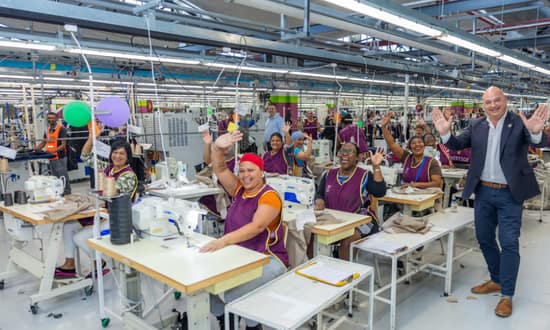
- Clothing and textile manufacturing
- Renewable energy and green economy solutions
- Food and beverage manufacturing
- Finance and professional services
- Tourism and visitor economy
- Film, animation and the creative industries
- Manufacturing and advanced engineering
The strong collaboration between the public sector, private organisations, and Cape Town’s universities and research bodies form a tremendous foundation for the sustained growth these industries are enjoying.
Learn more: Whitepaper: A Comprehensive Guide to Invest in Cape Town
2. Understand the different types of investment opportunities
If you want to invest in a business in Cape Town, it is good to first understand that Cape Town offers a mix of traditional and modern investment routes, all of which are built on a solid foundation of good governance. Most investors choose an approach that matches their level of involvement and appetite for risk.
Typical investment opportunity options include:
- Direct investment in established companies
- Early-stage investment in start-ups or scale-ups
- Venture capital and private equity funds based in the city
- Joint ventures and partnerships with South African businesses
- Greenfield investment for companies entering the African market
- Real estate investment that supports industrial and commercial growth
Many investors use a combination of these options as they gain more experience in the market.
Show me: Key investment opportunities in Cape Town
3. Take full advantage of the support provided by the City of Cape Town
One of the most encouraging aspects of investing in Cape Town’s businesses is the level of practical support you’ll get from the . The City works closely with industry partners to make your investment journey smooth and transparent.
Support often includes:
- Market intelligence and sector insights
- Guidance on regulations and compliance
- Introductions to industry networks
- Access to trade and investment programmes
- Expansion planning support
Investors often comment on how accessible the ecosystem feels once they are connected to the right partners.
Explore: Investment Facilitation

Success stories
Cape Town has become a launchpad for companies that start local and scale globally. Many of the city’s well-known businesses were built from small teams, strong ideas, and access to the right support.
Examples include:
- Tech and digital companies that grew from local start-ups to internationally recognised platforms.
- Fintech and financial services firms that attracted global funding and expanded into new regions.
- Film and media studios that helped Cape Town become a trusted location for international productions.
- Manufacturing and engineering firms that developed niche expertise and secured spots in global supply chains.
These success stories reflect the strength, resilience, and innovation built into Cape Town’s business culture. Investors often comment on the resilience, creativity, and problem-solving approach that Cape Town entrepreneurs bring to their ventures.
Explore: Foreign Cost-Effectiveness and OPEX
Foreign investor pathway
Foreign investors will be pleased to know that South Africa has a well-structured regulatory system that makes it possible to establish a presence or invest locally with clarity and confidence.
1. Understand the legal framework
Foreign investors can operate in South Africa through:
- A local company
- A branch office
- A partnership with a South African firm
- Direct investment into existing businesses
The legal system is transparent and well established. Investors have full ownership rights, access to international banking, and protections supported by South African law.
2. Exchange control and financial flows
South Africa’s Reserve Bank regulates the flow of capital into and out of the country, but the system is predictable and widely used by international investors. Most investment-related transactions can be processed through authorised banks, and there is support for repatriation of profits, dividends, and capital.
3. Visa and residency options for investors
There are visa categories designed specifically for business and investment activity, including:
- Business visas
- Corporate visas
- Critical skills visas for key staff
- Intra-company transfer visas
Cape Town attracts a large international workforce, and many global brands and investors choose to relocate teams or hire locally depending on project needs. For instance, Amazon, Johnson & Johnson, and Lufthansa have moved parts of their operations to Cape Town.
4. Tax incentives and economic zones
Foreign investors benefit from various incentives designed to support growth, especially in priority sectors.
Foreign investment incentives in South Africa:
- Foreign Investment Grant
- Industrial Development Zones benefits
- Skills Support Programme
- Strategic Investment Project Programme
- Critical Infrastructure Facility support
- Business Process Outsourcing and Off-Shoring (BPO&O) incentives
- Sector Specific Assistance Scheme (SSAS)
- Film and Television Production Rebate Scheme
- Automotive Production and Development Program (APDP) scheme
Atlantis Special Economic Zone (SEZ)
The Atlantis SEZ is one of Cape Town’s standout success stories in green industry development. It has become a hub for clean technology, supporting businesses that want to build a more sustainable future. Investors benefit from preferential corporate tax rates, tax relief, and employment incentives, which make it easier for companies to grow and stay competitive. The zone continues to attract strong interest from local and international businesses looking for a foothold in the green economy.

City of Cape Town Investment Incentives
The City of Cape Town works hard to make the business environment as supportive and welcoming as possible. Through its Manufacturing Support Policy, the city offers a mix of financial and non-financial support that helps businesses expand with confidence.
Foreign investment incentives in Cape Town:
- A single point of contact for investment facilitation
- Faster processing of development applications
- Support for renewable energy / energy efficient operations
- Access to City-owned industrial land
- Lower electricity tariffs in designated areas
- Waived development-application fees
Foreign investors often comment on the competitive tax environment and the ease of finding professional support for compliance. These measures are designed to make it easier for investors to set up, scale, and operate in Cape Town’s growing economy.
View: Ease of Doing Business in Cape Town
Business hub support
Cape Town has a strong network of hubs, accelerators, and industry bodies that support business growth. These hubs play an important role in helping investors make the right connections.
1. Innovation and tech hubs
These provide access to mentorship, incubation, accelerator programmes, and networks that link local founders with global investors.
2. Sector-specific support
Industry bodies and clusters support growth across key industries. They offer market insights, policy engagement, and collaboration opportunities.
3. Talent and skills development partnerships
Cape Town’s universities, training institutions, and private academies help maintain a strong talent pipeline. Investors find it easier to scale because there is a steady flow of graduates entering the workforce.
4. Trade and export support
Businesses with ambitions to enter African or international markets benefit from trade support programmes, export development initiatives, and industry-led platforms.
These hubs and partnerships allow investors to move quickly and with confidence.
Take a deeper look: Why Cape Town?

Analysis of the economy
Cape Town’s economy is one of the strongest and most diverse in Africa. It is supported by a mix of established industries and fast-growing sectors, with consistent performance even during global uncertainty.
1. A diverse economic base
The economy includes strong contributions from finance, ICT, manufacturing, renewable energy, tourism, logistics, and services. This reduces risk and provides a wide range of opportunities for investment.
2. High levels of innovation
The city has a long-standing reputation as a hub for start-ups, research, and creative industries. Investors benefit from constant innovation and a culture that encourages new ideas.
3. Strong infrastructure
Cape Town continues to invest in transport, digital infrastructure, utilities, and industrial zones. These improvements make it easier for businesses to operate and grow.
Read: Cape Town’s Mayor launches City’s R120bn infrastructure portfolio for greater growth
4. Access to African and global markets
Cape Town serves as a strategic base for companies expanding into Africa. Businesses benefit from strong connectivity, a supportive ecosystem, and access to skilled professionals.
5. A deep and wide pool of skilled workers
The local education system produces talent across engineering, finance, technology, and creative fields. This talent pool is one of Cape Town’s biggest economic advantages.
Don’t be left behind. Invest in Cape Town Businesses Today
Investing in Cape Town businesses is a practical and forward-thinking decision. The City of Cape Town offers an attractive mix of stability, innovation, and support. This makes it easier for global investors to find opportunities without exposing themselves to undue risk.
Investors from the US, UK, Europe, and across Africa continue to choose Cape Town. Investing here offers long-term value, real opportunity, and a business community that welcomes collaboration.
Ready to take the next step? Contact Invest Cape Town. We will give you the information you need to expand your company into Cape Town, enter the African market, or find strong businesses to partner with. Cape Town has the foundations and the support structure to help you succeed. If you are ready to explore investment opportunities in business in Cape Town, we are ready to give you the support you need.